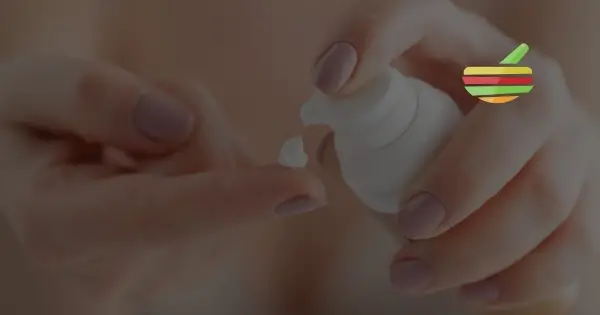
Skin concerns affect people of all ages and can range from mild cosmetic frustrations to persistent medical conditions that impact confidence and daily comfort. Acne, dermatitis, rosacea, melasma, scars, and other skin conditions are among the most common reasons people seek dermatologic care.
While many over-the-counter and prescription products are available, these treatments are often limited in strength, ingredient combinations, or delivery options. For some individuals, a more personalized approach may be helpful. This is where a compounding pharmacy can play an important role.
Compounded dermatologic medications allow healthcare providers to tailor treatments to a patient’s unique skin concerns, sensitivities, and treatment goals.
Why Skin Conditions Often Require Personalized Treatment
The skin is the body’s largest organ, and it responds differently from person to person. Factors such as genetics, hormones, environmental exposures, skincare routines, and underlying medical conditions can all influence skin health.
Because of this variability, a one-size-fits-all approach does not always produce optimal results in dermatology.
Compounding pharmacies work with dermatologists to prepare customized medications that may:
- Combine multiple active ingredients in a single formulation
- Adjust ingredient strengths to meet individual needs
- Provide alternative dosage forms such as gels, creams, or solutions
- Avoid certain dyes, preservatives, or fillers for sensitive skin
This flexibility allows providers to develop more targeted treatment strategies for a wide range of concerns in dermatology.
Acne: A Multifactorial Skin Condition
Acne is one of the most common skin conditions worldwide, affecting both teenagers and adults. It often develops due to a combination of factors including excess oil production, clogged pores, bacteria, inflammation, and hormonal influences.
Many individuals try multiple dermatology products before finding an effective treatment plan. In some cases, compounded topical therapies can provide a more targeted approach.
Compounded acne formulations may include combinations such as:
- Clindamycin, niacinamide, and tretinoin in a topical gel
- Dapsone, niacinamide, and spironolactone formulations designed to address inflammatory and hormonal components
- Ketoconazole combined with niacinamide to help support acne-prone skin
By combining ingredients that address multiple pathways involved in acne development, compounded treatments may help simplify routines while targeting the underlying causes of breakouts.
Rosacea and Chronic Facial Redness
Rosacea is a chronic inflammatory skin condition characterized by redness, flushing, visible blood vessels, and sometimes acne-like bumps on the face. Because rosacea symptoms vary widely between individuals, treatment approaches often require personalization.
Compounded topical preparations may combine several dermatologic agents into a single formulation designed to address inflammation, redness, and microbial factors simultaneously.
Examples of ingredients sometimes used together include:
- Azelaic acid
- Ivermectin
- Metronidazole
- Niacinamide
- Brimonidine
These combinations allow prescribers to tailor treatment strategies based on the patient’s specific symptoms and severity.
Melasma and Hyperpigmentation
Melasma is a common pigmentation disorder that causes dark patches on the face, often appearing on the cheeks, forehead, or upper lip. It is frequently associated with hormonal changes, sun exposure, and genetic predisposition.
Treatment can be challenging because pigmentation disorders often involve multiple biological pathways.
Compounded formulations may include ingredients such as:
- Hydroquinone
- Tretinoin
- Azelaic acid
- Hydrocortisone
- Tranexamic acid
- Niacinamide
By combining pigment-modulating ingredients with agents that support skin cell turnover, compounded medications may offer a more comprehensive approach to managing hyperpigmentation.
Dermatitis and Sensitive Skin Conditions
Dermatitis refers to inflammation of the skin and may present as redness, itching, dryness, or irritation. Common forms include atopic dermatitis (eczema) and contact dermatitis.
Standard treatments often involve corticosteroids or immunomodulators, but compounded preparations can allow these medications to be paired with supportive ingredients that help improve tolerability.
For example, compounded dermatitis formulations may include:
- Tacrolimus combined with niacinamide
- Triamcinolone paired with niacinamide to support skin barrier function
This type of customization can help address both inflammation and skin barrier support.
Scar Management and Skin Repair
Scarring can occur after acne, surgery, or skin injury and may affect both the appearance and texture of the skin.
Compounded topical therapies may include medications designed to support tissue remodeling and improve scar appearance over time. Certain formulations may incorporate ingredients such as pentoxifylline and triamcinolone, which are sometimes used in dermatologic settings to address scar tissue and inflammation.
In addition, emerging dermatologic treatments are exploring ingredients that support skin repair and rejuvenation.
For example, copper peptides such as GHK-Cu have gained interest in their role in supporting collagen production and skin regeneration. Compounded facial serums incorporating these ingredients may be used as part of broader skincare protocols under professional guidance.
Anti-Aging and Skin Health Support
Many patients seek dermatologic care to support healthy aging and improve skin appearance. Compounded topical therapies may combine ingredients that support skin renewal, collagen production, and antioxidant protection.
Some formulations used in dermatology practices may include combinations of:
- Tretinoin
- Niacinamide
- Vitamin C
- Vitamin E
- Alpha lipoic acid
- Azelaic acid
These ingredients are commonly used to support skin cell turnover, improve texture, and address signs of photoaging.
Other emerging topical therapies, such as compounded formulations containing sirolimus (rapamycin) or NAD+, are being explored in certain dermatologic and longevity-focused treatment strategies.
The Role of Compounding in Dermatology
Westmoreland Pharmacy works closely with dermatologists, primary care providers, and other healthcare professionals to prepare customized medications when commercially available products may not meet specific patient needs.
By tailoring medications to the individual, compounding allows providers to:
- Combine complementary active ingredients
- Adjust medication strengths
- Create customized delivery systems
- Simplify complex treatment regimens
For patients managing persistent skin conditions, this personalized approach may offer additional flexibility in designing an effective care plan.
Supporting Healthier Skin Through Personalized Care
Skin conditions can affect more than just appearance; they can impact confidence, comfort, and overall well-being. Because every individual’s skin responds differently to treatment, personalized dermatologic care is often essential.
The pharmacists at Westmoreland Pharmacy work with healthcare providers to help design targeted topical therapies tailored to each patient’s needs.
If you are struggling with acne, rosacea, melasma, dermatitis, scarring, or other skin concerns, speaking with your healthcare provider about customized dermatologic options may help you explore additional solutions for healthier skin.