
Dermatology Compounding

dermatology Compounding

Healthy skin can affect comfort, confidence, and overall quality of life. However, dermatology treatment is not always one-size-fits-all. Skin type, symptom severity, treatment location, medication tolerance, age, hormones, and personal preferences can all influence which option may work best for an individual patient.

Through dermatology compounding, Westmoreland Pharmacy works with dermatologists and other healthcare providers to prepare customized medications for a wide range of skin, hair, scalp, and aesthetic concerns. Based on a valid prescription, formulations may be tailored by ingredient, strength, combination, or dosage form to support each patient’s treatment plan.

dermatology Compounding for Skin Conditions

Skin conditions may cause symptoms such as redness, itching, dryness, inflammation, discoloration, scaling, breakouts, discomfort, or changes in skin texture. Some concerns are temporary, while others require ongoing management. 

Compounded dermatology medications may be considered when a commercially available product does not provide the appropriate strength, ingredient combination, dosage form, or treatment flexibility. 

Westmoreland Pharmacy prepares customized medications for concerns that may include:

Acne

Acne can involve clogged pores, blackheads, whiteheads, inflamed bumps, pustules, oiliness, tenderness, and scarring. It may occur during adolescence or continue into adulthood, and factors such as hormones, inflammation, skin sensitivity, and oil production may all influence treatment. 

Customized acne preparations may combine provider-selected ingredients into one topical medication or offer strengths that are better aligned with an individual’s skin and treatment goals. 

Examples of ingredients used in Westmoreland Pharmacy acne formulations include: 

  • Clindamycin 
  • Dapsone 
  • Niacinamide 
  • Spironolactone 
  • Tretinoin 
  • Azelaic acid 
  • Ketoconazole 

Available dosage forms may include creams, gels, and solutions. 

Rosacea and Persistent Facial Redness

Rosacea may cause facial redness, flushing, visible blood vessels, sensitivity, bumps, irritation, or a burning sensation. Symptoms can vary over time and may be affected by heat, sun exposure, stress, certain foods, or other personal triggers. 

Westmoreland Pharmacy offers customized rosacea preparations that may include combinations of ingredients such as: 

  • Azelaic acid 
  • Brimonidine 
  • Ivermectin 
  • Metronidazole 
  • Niacinamide 
  • Oxymetazoline 

A provider can determine which ingredients and dosage forms are appropriate based on the patient’s symptoms and health history. 

Melasma, Hyperpigmentation, and Uneven Skin Tone

Melasma and other forms of hyperpigmentation may appear as brown, gray, or uneven patches of skin, commonly on the face. Hormonal changes, sun exposure, pregnancy, certain medications, and other factors may contribute to changes in pigmentation. 

Customized pigmentation preparations may allow providers to select specific combinations and strengths based on the location, severity, skin sensitivity, and treatment plan. 

Westmoreland Pharmacy prepares melasma formulations that may contain ingredients such as: 

  • Hydroquinone 
  • Tranexamic acid 
  • Tretinoin 
  • Azelaic acid 
  • Niacinamide 
  • Hydrocortisone 
  • Kojic Acid 

Because some pigmentation treatments can increase skin sensitivity, patients should follow their provider’s directions carefully and use appropriate sun protection.

Dermatitis, Eczema, and Irritated Skin

Irritated_skinDermatitis can cause itching, redness, dryness, scaling, inflammation, or a recurring rash. Symptoms may affect the face, scalp, hands, or other areas of the body. Seborrheic dermatitis, for example, commonly affects oily areas such as the scalp, eyebrows, ears, nose, and chest. 

Customized preparations may help providers address inflammation, irritation, barrier support, and other individual skin needs. 

Examples of ingredients found in Westmoreland Pharmacy dermatitis formulations include: 

  • Tacrolimus 
  • Triamcinolone, hydrocortisone, clobetasol, and other corticosteroids 
  • Niacinamide 

Barrier creams may also be prepared for areas affected by moisture, friction, irritation, or compromised skin.


Fungal Skin and Nail Concerns

Fungal conditions may cause discoloration, thickening, cracking, itching, scaling, or changes to the skin or nails. Nail concerns can be particularly difficult to address because the medication must reach the affected area. 

Westmoreland Pharmacy offers customized topical nail preparations that may include provider-selected antifungal ingredients such as terbinafine, itraconazole, fluconazole, ciclopirox and thymol. 

Scars and Changes in Skin Texture

Scars may become raised, thickened, discolored, tight, itchy, or uncomfortable. The best treatment approach depends on the type of scar, its location, how long it has been present, and the individual’s skin. 

Westmoreland Pharmacy can prepare customized scar gels based on a provider’s prescription. Available formulations may include ingredients such as pentoxifylline, verapamil, 5-fluorouracil, and triamcinolone. 

Warts

Warts are caused by certain strains of the human papillomavirus (HPV) and may appear on the hands, feet, face, or other areas of the body. Depending on the location and type, warts may be painful, persistent, or resistant to standard over-the-counter treatments. 

When commercially available options are not appropriate or have not provided the desired response, healthcare providers may prescribe customized compounded medications tailored to the patient’s needs. Formulations may be selected based on the location of the wart, patient age, skin sensitivity, and previous treatment history. 

Examples of ingredients used in Westmoreland Pharmacy wart formulations may include: 

  • Salicylic acid  
  • 5-Fluorouracil  
  • Cantharidin*  
  • Cimetidine (oral formulations, when prescribed)  

Molluscum Contagiosum

Molluscum contagiosum is a common viral skin condition that causes small, raised bumps on the skin. It is most frequently seen in children but may also occur in adolescents and adults. While many cases resolve over time, treatment may be considered when lesions are numerous, spreading, bothersome, or located in sensitive areas. 

When appropriate, healthcare providers may prescribe customized compounded medications as part of an individualized treatment plan. Formulations may be selected based on the patient’s age, treatment location, skin sensitivity, and overall clinical situation. 

Examples of ingredients that may be prescribed in customized formulations include: 

  • Cantharidin*  
  • Salicylic acid  
  • Potassium hydroxide  

Diaper Rash, Moisture-Associated Skin Irritation, and Barrier Protection

PDiaper_rashrolonged exposure to moisture, friction, urine, or stool can irritate the skin and contribute to diaper rash, incontinence-associated dermatitis (IAD), and other moisture-related skin conditions. These concerns are common in infants, older adults, and individuals with limited mobility, and may increase the risk of skin breakdown or secondary infection if left untreated. 

When commercially available products do not meet a patient’s individual needs, healthcare providers may prescribe customized compounded barrier creams designed to help protect the skin while addressing inflammation, irritation, or localized infection. Formulations can be tailored based on the patient’s symptoms, skin condition, sensitivities, and treatment goals. 

Westmoreland Pharmacy prepares customized barrier creams that may include provider-selected ingredients such as: 

  • Nystatin  
  • Hydrocortisone  
  • Bacitracin  
  • Mupirocin  
  • Zinc oxide  
  • Menthol  
  • Benzocaine  
  • Cholestyramine  

Customized preparations are available in cream and ointment formulations. Healthcare providers can select ingredient combinations based on the patient’s diagnosis, treatment location, age, and medical history.


Customized Anti-Aging Dermatology Options

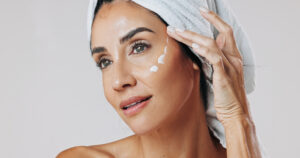
As skin ages, it naturally produces less collagen and elastin and may become thinner, drier, more fragile, or less resilient. Hormonal changes, including those associated with menopause, can also contribute to dryness and thinning. Sun exposure may accelerate the appearance of wrinkles, uneven pigmentation, dryness, and age spots. 

Customized dermatology preparations may be incorporated into provider-directed plans focused on concerns such as: 

  • Fine lines and wrinkles 
  • Dryness or loss of moisture 
  • Uneven skin tone 
  • Dark spots and visible sun damage 
  • Changes in texture 
  • Reduced firmness or elasticity 
  • Dull-looking skin 
  • Hormone-related skin changes 

Westmoreland Pharmacy offers a variety of customized anti-aging creams, gels, and serums featuring ingredients such as: 

  • Tretinoin 
  • Niacinamide 
  • Vitamin C 
  • Vitamin E 
  • Azelaic acid 
  • Alpha-lipoic acid 
  • Hyaluronic acid 
  • GHK-Cu copper peptide 
  • Estriol or estradiol 
  • Progesterone 
  • Sirolimus 
  • NAD+ 

These ingredients are not appropriate for every patient. A healthcare provider should evaluate the individual’s health history, skin concerns, current medications, pregnancy status, hormone-related considerations, and potential for irritation before prescribing a customized formulation. 

 

Customized Tretinoin Preparations

Tretinoin may be prescribed for acne, uneven pigmentation, changes in skin texture, and visible signs of photoaging. Some patients, however, have difficulty tolerating commonly available strengths or formulations. 

Westmoreland Pharmacy offers customized tretinoin preparations in multiple strengths, including sensitive, mild, and stronger options. Tretinoin may also be combined with ingredients such as azelaic acid and niacinamide when prescribed. 

Customized strengths may allow a provider to develop a gradual treatment plan based on the patient’s skin sensitivity and response.

Hair and Scalp Concerns

Hair_Loss_in_MEnHair thinning and shedding may involve multiple factors, including genetics, hormones, age, health conditions, nutrition, stress, inflammation, and medication use. Because the underlying cause can vary, evaluation by a qualified healthcare provider is important. 

Westmoreland Pharmacy prepares both topical and oral medications for provider-directed hair and scalp treatment plans. 

Available topical ingredients and combinations may include: 

  • Minoxidil 
  • Finasteride 
  • Dutasteride 
  • Azelaic acid 
  • Ketoconazole 
  • GHK-Cu copper peptide 

Oral formulations may include provider-prescribed combinations containing ingredients such as: 

  • Biotin 
  • Minoxidil 
  • Finasteride 
  • Spironolactone 
  • Dutasteride 

The risks, benefits, and appropriate method of treatment can differ significantly from one patient to another. Some hair-loss medications also require specific precautions for patients who are pregnant, may become pregnant, or have certain health conditions.


Topical Numbing Preparations

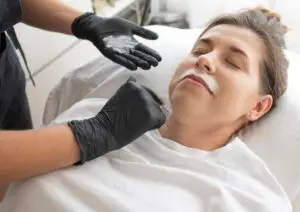
Topical Numbing CreamTopical anesthetic preparations may be prescribed before certain dermatology, cosmetic, or aesthetic procedures. 

Westmoreland Pharmacy offers multiple compounded combinations and strengths containing ingredients such as: 

  • Lidocaine 
  • Tetracaine 
  • Benzocaine 
  • Prilocaine 
  • Phenylephrine 

Because high-strength topical anesthetics can cause serious adverse effects when used improperly, patients should follow the exact application amount, treatment area, timing, and removal instructions provided by their healthcare professional.


Rare Genetic Skin Disorders

Some inherited disorders of cholesterol metabolism require highly specialized compounded medications that are not commercially available. Westmoreland Pharmacy prepares customized topical formulations for select rare dermatologic conditions, including provider-prescribed cholesterol/statin combinations for disorders such as CHILD syndrome. These patient-specific preparations are developed in collaboration with the prescribing specialist and tailored to the individual’s diagnosis and treatment plan. 

  • Atorvastatin 2% or Lovastatin 2% 
  • Cholesterol 2%  
  • Compounded in an emollient cream or ointment base  


A provider may prescribe a compounded dermatology preparation when a patient needs:
 

  • A strength that is not commercially available 
  • Multiple compatible ingredients combined into one preparation 
  • A different dosage form, such as a cream, gel, serum, ointment, or scalp solution 
  • An ingredient removed because of an allergy or sensitivity 
  • A treatment designed for a specific area of the body 
  • A more individualized approach to application, tolerability, or adherence 

Compounding involves combining, mixing, or altering ingredients to prepare a medication for an individual patient’s needs. Compounded medications are prepared according to a valid prescription but are not reviewed or approved by the FDA in the same manner as commercially manufactured drugs. 

Collaboration with Patients and Providers

Successful dermatology treatment often requires ongoing communication. Symptoms, skin sensitivity, tolerability, application preferences, and response to treatment may change over time. 

Westmoreland Pharmacy works collaboratively with prescribers to: 

  • Review available dosage forms and strengths 
  • Discuss formulation options 
  • Address ingredient sensitivities when possible 
  • Prepare patient-specific prescriptions 
  • Provide medication-use and storage guidance 
  • Support adjustments authorized by the prescriber 

Talk with Your Healthcare Provider

A customized medication may be considered when standard treatment options do not fully meet your needs. Your healthcare provider can evaluate your symptoms, determine the underlying concern, and decide whether a compounded preparation is appropriate. 

Contact Westmoreland Pharmacy to speak with a pharmacist about customized dermatology options or to have your provider submit a prescription.